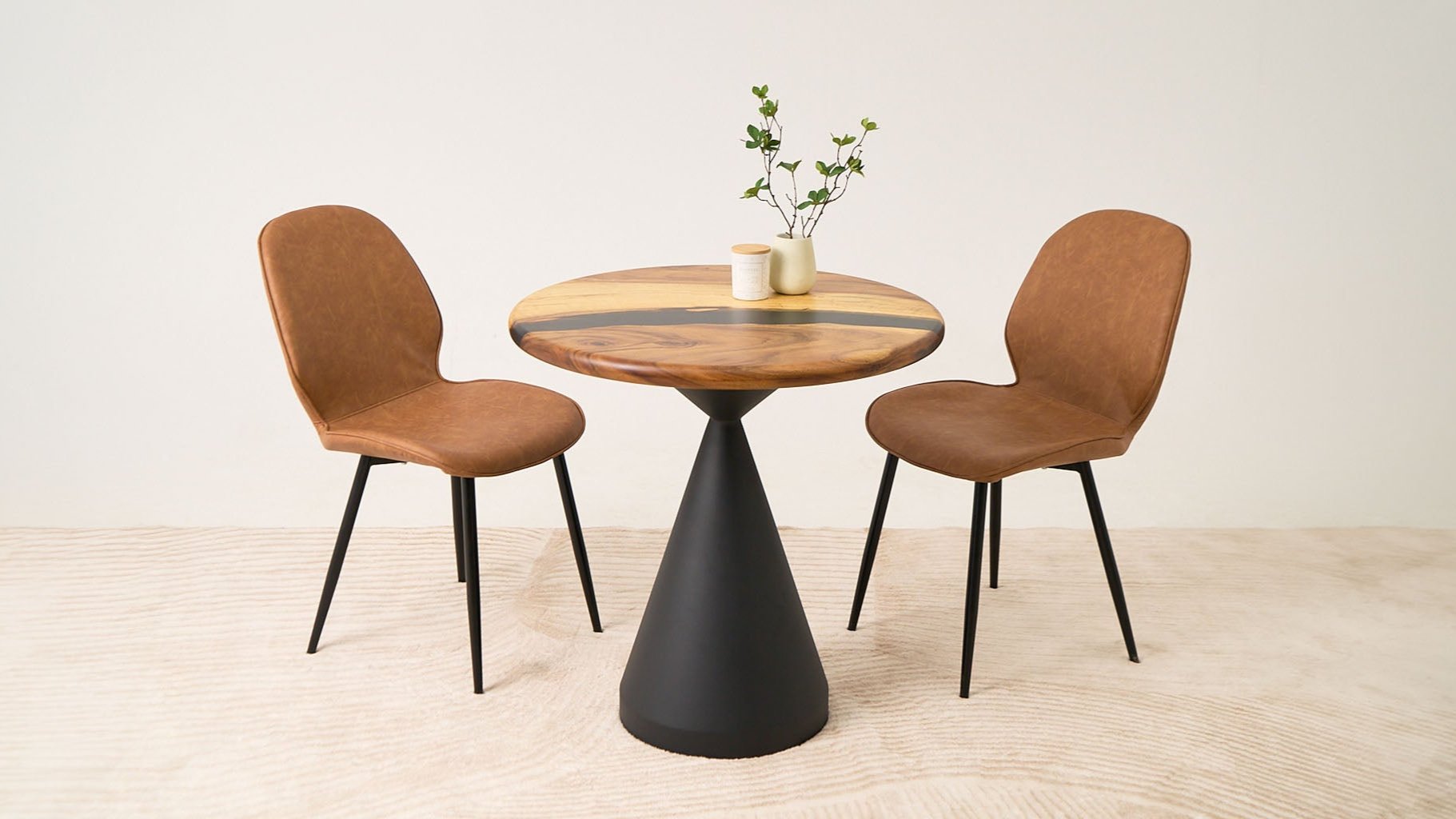

How to match wood stain is one of those projects that sounds simple until you try it. You think you've found the right color, apply it to your wood, and... it's off. Maybe too dark, maybe too red, maybe just different in a way you can't quite explain.
In this guide, Lumber Grand covers all 4 easy methods on how to match stained wood, from the dead-simple (take it to the paint store) to the precise (professional layering techniques). We’ll also tell you when “close enough” is actually good enough, and when it's worth the extra effort to get it perfect. Read more!
Why Matching Wood Stain is Trickier Than You Think
Wood stain color matching doesn't work like matching paint. You can't just grab a color chip, buy a can, and expect it to look the same. Wood is a natural material, and that means every piece behaves differently.
How to match stained wood depends on many factors:
-
Wood species: Oak absorbs stain differently than pine or maple does. Some woods are just thirstier than others.
-
Wood age: Older wood usually has a patina built up over time. That changes how it takes stain compared to fresh wood.
-
Grain pattern: Open-grain woods like oak absorb way more stain than tight-grain woods like maple. Same stain, totally different results.
-
Previous finishes: Old polyurethane or wax can block stain absorption
-
Stain brand and formula: Even "similar" colors vary between manufacturers
It's this unpredictability that makes how to match stain on wood both challenging and, honestly, a bit of an art form. You learn what to expect after you've messed up a few times.
How to Match Wood Stain: 4 Best Ways to Find Perfect Stain Matching
Here are 4 quick and easy ways to match wood stain you need to try:
-
Let the professionals match wood stain
-
Invest in wood stain matching kit
-
Use color matching tools
-
Try wood stain color match app
Each approach has its place. Let’s dive a bit deeper into each one.
1. Let the Professionals Match Wood Stain: The Easiest Method
If you want the best wood stain matching without spending hours testing stains yourself, here's our honest recommendation: take a sample to your local paint store.

How to match a wood stain at a local paint store
Photo: Youtube | MinwaxUSA
Stores like Sherwin-Williams or Home Depot have trained experts who can custom-match stains. So, if you’re planning to go there, don’t forget to bring these things:
-
A sample piece of the stained wood you're trying to match (not just a photo)
-
An unfinished test board of the same wood species you'll be staining
-
Patience, since professional stain matching typically takes 2 — 3 business days minimum. They're not mixing this up while you wait.
Should read: How to Stain Wood
2. Invest in Wood Stain Matching Kit
If you're a professional or a serious DIYer who needs to match stains regularly, there's a system worth investing in. Companies like General Finishes make what's called Ready-to-Match (RTM) stain kits.
You get a sample box with over 100 color chips showing different stain formulas on actual wood species, usually maple and oak or maple and alder combinations. Each chip has the recipe printed right on it using ratios of base stain colors.

Ready-to-Match (RTM) wood stain matching kit sample
Photo: Youtube | TodaysCraftsmen
So, when you need to match a stain, you hold your sample wood up against the chips, find the closest match, and mix the stain yourself following that recipe. A chip might say something like "3 parts Tavern Brown + 5 parts Burnt Umber." You measure those exact ratios from your base stains and mix your custom wood stain colors.

How to match wood stain color with wood stain matching kit
Photo: Youtube | TodaysCraftsmen
What it costs you: You need to buy the sample box upfront, plus keep 13 different base stain colors in stock. That's a real investment. For professionals doing multiple projects, this pays for itself pretty quickly.
You're not running to the paint store every time you need a custom match. For someone doing a one-time project, though? Just go to the paint store. This system is overkill.
The easier option: Some companies let you order the stain pre-mixed by the chip number if you don't want to stock all those bases yourself. You find your match, note the chip number, and order whatever quantity you need already mixed. It's more expensive per can, but you're not sitting on $500 worth of base stains you might use once.
3. Use Color Matching Tools
Hardware stores sell color chip wheels specifically for wood stains. You hold the chip next to your existing wood to find the closest match. It's not perfect, but it gets you in the ballpark faster than guessing.
The chips are made with real stain on real wood veneer, so they're more accurate than digital images. Of course, you can take the wheel home, hold it in your actual lighting, and see what looks closest.

Interior wood stain visualizer at the local paint store
Photo: Color Wheelaz
Just remember that even with a color chip match, your wood might still take the stain differently. But at least you're starting with something tangible instead of trying to imagine what "Provincial" or "Early American" looks like.
Read more: How to Restain Wood Furniture
4. Try Wood Stain Color Match App
Wood stain apps can help you get ideas, but they have some limitations. They're great for browsing options before you drive to the store with just wood stain visualizer upload photo. Basically, they allow you to narrow down your choices so you're not standing in the store completely overwhelmed.
However, wood stain color match app free can't account for your specific wood. They have no idea what species you're working with, what the grain looks like, how dry it is, or how those particular boards will soak up stain. All of that changes the final color dramatically.
But please note that “Experience will do more for you than any software could.” Apps are a starting point, not the best way to match wood stain.
Professional Techniques for Precision Wood Stain Matching
Want to know how professionals get those near-perfect stain matches? Our woodworkers at Lumber Grand are going to share what actually works.
1. Match the Grain AND the Sapwood
In reality, wood doesn't have one uniform color. You've got the darker grain lines running through it and the lighter sapwood areas in between. If you only match one of those, your stain job will look off, even if you can't immediately tell why.
To get a convincing match, we’ll need to tackle both colors separately. This might mean applying one stain for the overall base color, then coming back with a second stain or toner to adjust just the sapwood areas.
It sounds complicated, but it's what makes the difference between "close enough" and "you can't tell which piece is new."
Many people get frustrated when learning how to match wood stain because their stain "doesn't match" even though they used the right wood stain colors. Nine times out of ten, it's because they only matched the dark grain, and the sapwood is throwing everything off.
2. Build Color in Layers
As wood professionals, we don't try to nail the exact color in one shot. Instead, we build it up gradually, which gives them way more control over the final result.
-
Begin with a lighter base coat that gets you in the general ballpark.
-
Let it dry completely.
-
Then add thin layers of gel stain, toner, or glaze to fine-tune the color until it matches.
-
Each layer shifts the color slightly, and you can stop as soon as you hit the right shade.

Color matching stained wood
Photo: Youtube | TodaysCraftsmen
And, yes, this how to match wood stain approach is more forgiving. If you go too dark with a single application, you're stuck. But with layers, you can creep up on the perfect match without overshooting it. It takes more time, but you get better results and fewer do-overs.
When Perfect Wood Stain Matching isn't Necessary
You don't always need a perfect match when learning how to match wood stain.
-
If you're touching up a few scratched boards in a tongue-and-groove floor, close is usually good enough. Nobody's going to notice that one board is 5% darker unless you point it out.
-
Table top catches light from above and shows you the flat surface. A cabinet door is vertical, and the light hits it at an angle. Even if the stain color is slightly different, the way light interacts with each surface makes them look more similar than they actually are.
-
If you're combining multiple wood pieces in a room on purpose, perfect matching isn't the goal anyway. As long as the undertones are in the same family — all warm or all cool — slight variations in depth and shade actually make the room more interesting. It looks collected and intentional instead of matchy-matchy.
-
Lastly, sometimes matching an old piece means accepting old-level durability. If you need a table that's actually going to hold up to how you use it, starting a new epoxy table top with better finishes might make more sense. It may be better than trying to resurrect something that's already proven it can't handle your lifestyle.

Why new table tops often make more sense than wood stain color matching
Credit: Lumber Grand
Shop now: Square Wood Epoxy Dining Table Top 35" x 35"
5 Common Wood Stain Matching Mistakes to Avoid
Let's talk about the mistakes we notice people make over and over about matching wood stain colors. These will save you so much frustration.
1. Testing on the Wrong Wood
Testing your stain on pine when your project is oak tells you absolutely nothing. As a general rule, different wood species absorb stain differently. Pine gets blotchy, oak soaks it up evenly, and maple barely takes any. That said, only test on the same species you're going to stain. Not similar. The same.
2. Judging Color While It's Still Wet
Wet stain looks way darker and richer than it actually is. Then it dries, and you're disappointed because it's lighter than you thought. Next time, it’s better to wait a full 24 hours before you decide if it's right.
3. Forgetting the Topcoat Changes Everything
The stain color you see on your test board isn't your final color. Once you add polyurethane over it, especially oil-based poly, it shifts. Poly adds an amber tone that warms everything up. Lacquer can change colors, too. Thus, you should apply your finish coat to your test samples, or you're not seeing what your project will actually look like.
4. Not Checking It in Your Actual Lighting
Wood stain looks completely different depending on the light. What looks perfect in the hardware store under fluorescent lights might look totally wrong in your dining room with natural light coming through the windows. It’s best to bring your test sample to the actual spot where the furniture will sit and check it there.
5. Thinking You Can Make Pine Look Like Oak
You can't. Even with perfect wood stain matching, pine will never look 100% like oak because the grain patterns are entirely different. Not to mention, the wood structure is different. The way light hits it is different. You can get close on color, but manage your expectations. Some things aren't possible.
FAQs
1. Does All Old Stains Need to Be Removed Before Restaining?
Not always. If the existing stain is in good condition (no flaking, no thick topcoat), you can often restain right over it, especially if you're going darker. However, if there's a polyurethane finish, varnish, or wax on top, you'll need to remove or sand through that finish first because it blocks stain absorption.
2. Can I Stain over a Stain Without Sanding?
Yes, you can stain over a stain without sanding, but only under specific conditions. If the existing stain has no topcoat and you're going darker, you can apply a new stain directly over it.
But, if there's any polyurethane or finish coat, though, you'll need to at least scuff-sand it (220-grit) so the new stain can penetrate.
3. How to Prepare an Old Stained Deck for Restaining?
To prepare an old stained deck for restaining, follow these 3 simple steps:
-
Step 1: Thoroughly sweep the deck to remove all leaves and other debris.
-
Step 2: Make sure the surface is completely clean and dry. No dust, dirt, loose wood fibers, grease, or mildew.
-
Step 3: Check your weather forecast. You need at least 24 to 48 hours of dry weather ahead with no rain. The stain needs time to soak in and dry without moisture interfering.
How to Match Wood Stain: Final Verdict
Professional wood stain color matching at local paint stores works because the people there have better equipment than you do at home, and they've matched hundreds of stains. They know what they're looking at. If this is a one-time project for you, just take your sample to them. Save yourself the trial and error.
If you're working with natural wood and want to skip the stain-matching headaches altogether, check out our collection of live-edge table tops. Also, if you have any questions about how to match wood stain, we're here to help — feel free to reach out to our team. Thank you for reading!