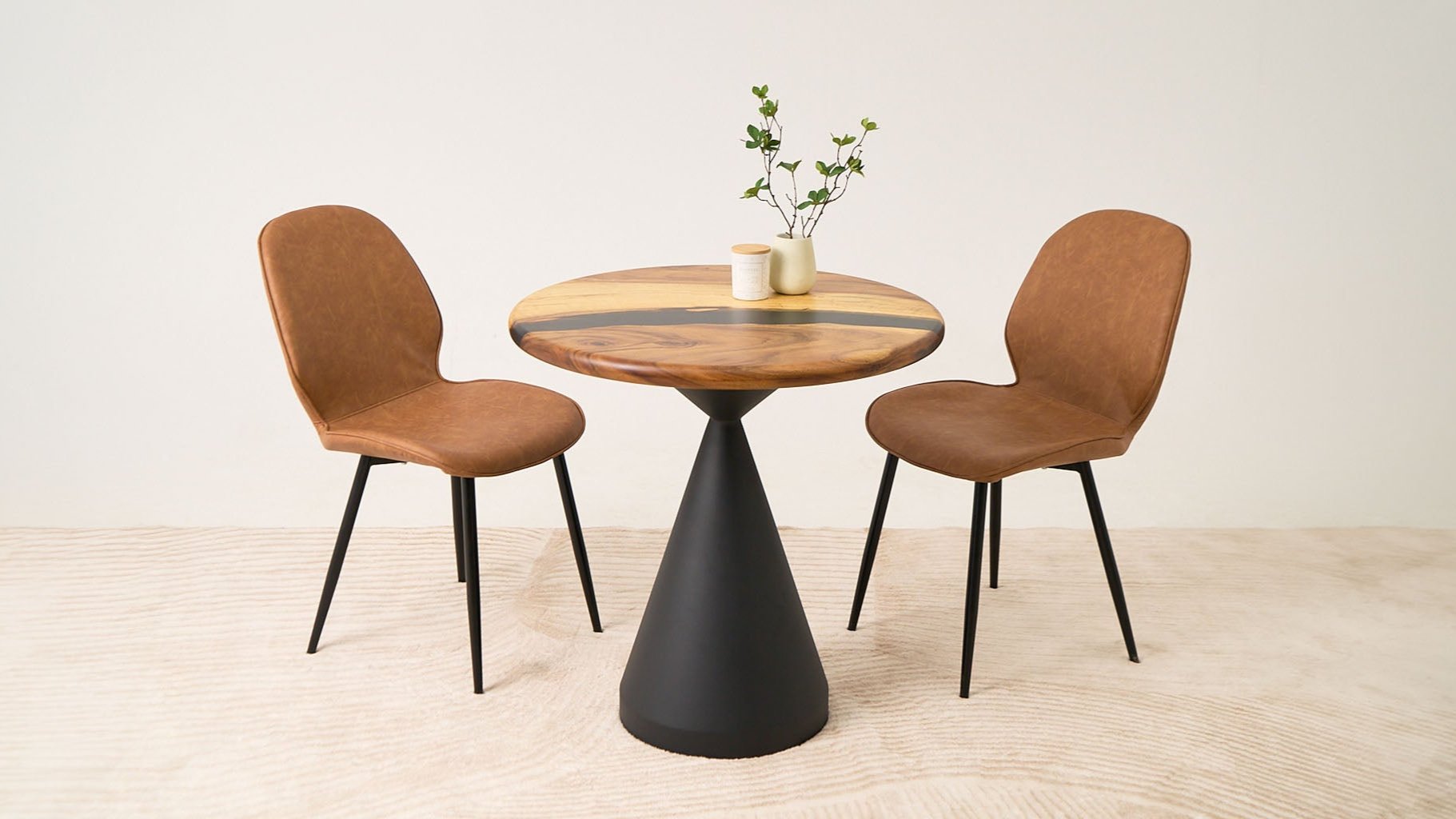

You've been putting off learning how to refinish a table top because it seems like a big project. The surface is scratched up, and you're not sure where to start or if you'll get good results.
Actually, how to refinish a wood table top is simpler than most people think. No matter if you're working with veneer or solid wood, the process follows 4 quick steps. Lumber Grand will show you how to do it and point out a few things that make the difference between average results and a finish that looks professionally done. Let’s dive in!
Materials and Tools Checklist to Refinish Table Top
Can you refinish just the top of a table? Yes, you don't have to refinish the entire table. Just the top works fine. The top takes the most abuse, while the legs and base often stay in decent shape. Match your stain color to the existing base, or go for a stylish two-tone look.
Before you get started, let's get your list of supplies. Lumber Grand has compiled everything in a convenient table for you to mark off what you have and select what you need.
|
Category |
Items You’ll Need |
Notes |
|
Stripping Supplies |
Chemical stripper (gel formula preferred), plastic scraper, steel wool (finer grade) |
Removes that old, damaged finish |
|
Essential Tools |
Orbital sander, sanding block |
Helps remove the old finish and smooths the surface |
|
Sandpaper |
80-grit, 120-grit, 150-grit, 220-grit |
Start coarse for stripping, and finish fine for a smooth surface. |
|
Cleaning Supplies |
Tack cloth, microfiber cloth, mineral spirits, mild soap, warm water |
Essential dust, grease, and residue remover. |
|
Protective Finishes |
Polyurethane (water-based or oil-based), varnish, OR lacquer |
The final topcoat provides durability and sheen. |
|
Application Tools |
Foam brushes, bristle brushes, paintbrushes, rags, lint-free, and stirring sticks |
Quality tools assure a smoother, streak-free finish. |
|
Safety Equipment |
Gloves, safety glasses, a dust mask, or a respirator |
Protects you during sanding or while working with chemicals. |
Read more: Best Finish for Dining Table
How to Refinish a Table Top: 4 Easy-to-Follow Steps Guide
Now that you've got your supplies ready, it's time to roll up your sleeves and get to work. First and foremost, clean the table (especially if it’s from a thrift store) before starting the refinishing steps. Each step builds on the last one, so don't skip ahead. Trust the process, take your time, and you'll end up with a wooden table top that looks absolutely stunning.
Step 1: Strip Away the Old Finish
That old, damaged finish needs to be gone before you can create something beautiful. You're actually using the chemical stripper to loosen the old finish, allowing it to peel right off.
How to strip the old finish from your table top:
-
Take a small area, about 2 feet by 2 feet, and apply a thick, even layer of chemical stripper to that area.
-
Allow it to sit for 15 — 30 minutes. You’ll begin to see the old finish start to bubble and wrinkle.
-
Scrape the softened finish off at a 45-degree angle with a plastic scraper (which is safe for wood). It should come off in gummy strips. DO NOT scrape back and forth, only follow the wood grain.
-
If it's still not budging, give it more time or apply a second layer. You should put the old paint in a plastic bag as it’ll harden and become hazardous waste.
-
For stubborn spots or detailed areas, use steel wool (finer grade 0000) dipped in stripper.
Pro tips:
-
Work outside or in a well-ventilated area because chemical stripper fumes are strong.
-
Test first on the table's underside to see how your finish reacts
-
Gel strippers cling better and drip less than liquid versions

How to refinish a kitchen table top
Photo: Dashner Design & Restoration
Step 2: Clean the Surface Thoroughly
You’ve stripped off the old finish. But your natural wood table isn't actually clean yet. There's stripper residue, wood dust, oils from your hands, and who knows what else hiding in those wood pores.
How to clean your stripped table top:
-
Wipe the entire surface with a rag dampened in mineral spirits. Let it dry for 10 — 15 minutes.
-
Then, dampen a rag in soapy water and wring it out well. Wipe down the surface to remove grease, fingerprints, and grime.
-
For grooves or carvings, use a soft-bristled brush dipped in soapy water to reach tight spots.
-
Next, we wipe with a clean, damp rag (using only water) to remove soap residue.
-
Dry immediately with a clean towel. Never let water sit on bare wood.
-
Final wipe with a tack cloth right before sanding to catch invisible dust particles.
Pro tips:
-
If anything feels tacky or sticky, that's leftover stripper. Hit it again with mineral spirits.
-
Avoid using paper towels for the mineral spirits step, as they can leave behind fibers.

How to refinish the top of a table
Photo: Freepik
Related blog: How to Clean Unfinished Wood Table
Step 3: Sand the Table Top to a Fine, Even Surface
Sanding removes the last traces of the old finish, smooths out the surface, and opens up the wood grain so that the stain can absorb evenly. Don’t try to skip from 80 to 220, or it will leave deep scratches. You’ll notice it once you apply the finish.
How to refinish a table top with sanding:
-
Sand the entire wood table top with 80-grit sandpaper. Move the orbital sander in overlapping circular motions and don't press down
-
Then, switch to 120 or 150-grit and repeat the process
-
Final finish prep with 220-grit sandpaper. This is the last polish to smooth the wood table surface.
-
Vacuum thoroughly into corners and edges, then do a final wipe-down with a fresh tack cloth.
Pro tip:
-
For edges, corners, and any detailed areas your orbital sander couldn't reach, use a sanding block with 220-grit paper. Sand by hand, always follow the wood grain.
-
If you're learning how to refinish a veneer table top, skip the coarser grits entirely and use only 220-grit sandpaper.

How to refinish a table top without stripping
Photo: Freepik
Step 4: Seal & Protect the Newly Refinished Surface
The final step is to seal and apply a new finish to the wood table top. First, you need to know which finish is suitable for your table. Refer to this table to choose the best finish type.
|
Finish Type |
Feature |
Best Tools |
|
Oil-based Polyurethane |
|
Foam brush or high-quality natural bristle brush |
|
Water-based Polyurethane |
|
Synthetic bristle brush |
|
Varnish |
|
High-quality natural bristle brush |
|
Lacquer |
|
Spray gun like HVLP (High Volume, Low Pressure) system |
Oil-based polyurethane is one of the most popular choices because it naturally has a warm amber tone. You don’t have to stain the wood first, which helps you save on cost and effort. However, if you’re looking for a color that oil-based finishes don't provide, it’s best to apply a stain first and then add your finish.
How to finish a table top like a pro:
-
Stir gently, never shake. Shaking creates bubbles that ruin your finish. Pour a small amount into a separate container.
-
Dip just the brush tip, about 1/3 of the bristles. Too much finish causes drips and runs.
-
Apply in long, smooth strokes with the grain. Use light pressure and avoid reapplying to areas you've already covered. This prevents lap marks and bubbles.
-
Work in sections, overlapping slightly to blend strokes.
-
Let it dry completely. Water-based takes 2 — 4 hours, while oil-based takes 6 — 10 hours. Add an extra hour to be safe.
-
Sand lightly with 320-grit once dry. You're just smoothing bumps, not removing the finish. And wipe with a tack cloth.
-
Apply 2 — 3 coats total. An oil-based finish requires 3 coats (1 sealer and 2 coats), while a water-based finish requires only 2 thin coats.
-
Let the final coat cure for 24 — 48 hours before use.
Note: Oil-based polyurethane takes approximately 30 days to fully cure, but you can start using it lightly after 7 — 10 days. Water-based polyurethane cures completely in 20 — 30 days, with light use typically safe after 24 — 48 hours.

How to refinish a dining room table top
Photo: Freepik
You might be interested in: Best Polyurethane for Table Top
Aftercare Tips for a Long-Lasting Finish
You've put serious work into how to refinish a table top. Now let's keep it looking gorgeous for years. The proper care makes all the difference between a finish that lasts a decade and one that needs redoing in a year.
-
Use coasters and placemats religiously: Water rings and heat marks are the #1 killer of refinished tables. Every glass, every hot plate needs protection.
-
Wipe up spills immediately: Even with a protective finish, liquids can still damage wood if allowed to sit on the surface. Use a soft, slightly damp cloth.
-
Clean only with mild soap and water: Harsh cleaners strip away your protective finish. A few drops of dish soap in warm water is all you need. Wring out your clothes well. NEVER leave standing water.
-
Apply furniture polish or wax: Once a month, use a good-quality furniture polish to add protection and restore shine. Use according to product instructions.
-
Check for wear spots: Areas of high traffic, particularly near the edges, may show wear first. Catching problems early means easier fixes.
-
Avoid direct sunlight: UV rays fade stains and break down finishes with time. Use curtains or move the table out of strong sunlight.

How to refinish a wooden table top and take care after
Credit: Lumber Grand
Shop now: Square Epoxy Coffee Table 35" x 35"
FAQs
1. Can You Refinish a Table Top Without Stripping?
Yes, you can refinish a table top without stripping, if the old finish is in reasonably good shape with no peeling or cracking. Lightly sand with 220-grit sandpaper, clean well, and apply a new topcoat right over it.
If you wish to change the color of the wood or if the finish is damaged, you’ll have to strip it entirely. The stain cannot penetrate through the old finish, and the new coats cannot adhere properly to damaged surfaces.
2. What is the Best Finish for a Dining Table Top?
Water-based polyurethane is the best finish for a dining table top. It's durable enough to withstand hot plates and spills, dries clear without yellowing, and has a lower odor than oil-based options. Apply 3 — 4 coats for maximum protection. If you want a warm, amber glow, oil-based polyurethane is also an excellent option. Just slightly more durable, but it takes longer to dry.
If you want a warm, amber glow, oil-based polyurethane is also an excellent choice. It's slightly more durable and creates a rich, classic look, but requires 6 — 10 hours between coats, compared to a water-based finish's 2 — 4 hours.
3. What Furniture Should Not Be Refinished?
Antiques with their original finish can lose significant value if they are refinished. You should consult an expert first. Laminate or particle board furniture isn't worth it since there's no real wood to work with. Furniture with severe structural damage needs repairs before refinishing. Save your energy for solid wood pieces with good bones.
How to Refinish a Table Top: Guide Ends Here
That’s it. You’ve officially refinished a table top from start to finish. Strip, clean, sand, and seal. Four steps that turn damaged wood into a gorgeous, protected surface you’ll enjoy for years. The hardest part about refinishing isn't the actual work. It's getting started and trusting the process.
You did both, and look at the results. This demonstrates that, with proper guidance and patience, anyone can achieve this goal. So what's next? There may be another piece of furniture that needs attention. A dresser with a scratched top or dining chairs that don't match your newly refinished table? Now you know precisely how to handle them.
Lumber Grand is here to support every step of how to refinish a table top or any furniture restoration. We publish helpful guides, troubleshooting tips, and detailed tutorials every week because we believe great furniture deserves a second (or third, or fourth) life. Contact us, as our team loves helping DIYers solve furniture challenges. Thank you for reading. See you in the next blog!